

The government has announced plans to switch out its Energy Bill Relief Scheme (EBRS) in favour of The Energy Bills Discount Scheme (EBDS). This isn’t just a change of name, however. In fact, the support for businesses facing high utility will likely reduce under the new scheme set to kick off on 1st April 2023. So, in this blog, we’ll…

Across the UK, businesses are under increasing pressure to manage energy costs, carbon emissions and sustainability commitments. While significant progress has been made in developing cleaner energy sources, reducing overall energy consumption remains one of the most effective ways organisations can cut costs and improve efficiency. The UK continues to prioritise more efficient energy systems as part of its long-term…

As we’ve discussed on our Net Zero consultancy page, businesses are coming under increasing pressure from the government to adopt decarbonisation strategies. Unfortunately, many private businesses here in the UK are slow to adapt to this challenge – instead opting to wait until larger firms have ‘done it first’. One such business that has ‘done it first’ is Unilever –…

Between the official ESOS and SECR schemes as well as a general steer from the entirety of UK government to decarbonise and prioritise energy efficiency, there’s never been more pressure on businesses of all shapes and sizes across the UK to undergo carbon reporting. This article looks at the carbon reporting obligations of small to medium businesses and large enterprises…

As more pressure falls on businesses of all shapes and sizes to reduce their carbon emissions, many turn to energy efficiency grants in order to invest in cost-saving efficiency measures. Unfortunately, the Carbon Trust’s excellent Green Business Fund closed in December 2019, leaving some businesses unsure of who to turn to. Worse still, perhaps, is the fact that while the…

While many businesses know their responsibilities around decarbonisation for 2030, very few are thinking longer-term. In this article, we’ll examine why companies need to plan for 2050 and how you can get started on a carbon reduction plan to meet the Paris Climate Agreement’s targets. Despite global commitments to net-zero by 2050, businesses across the UK are failing to adopt…
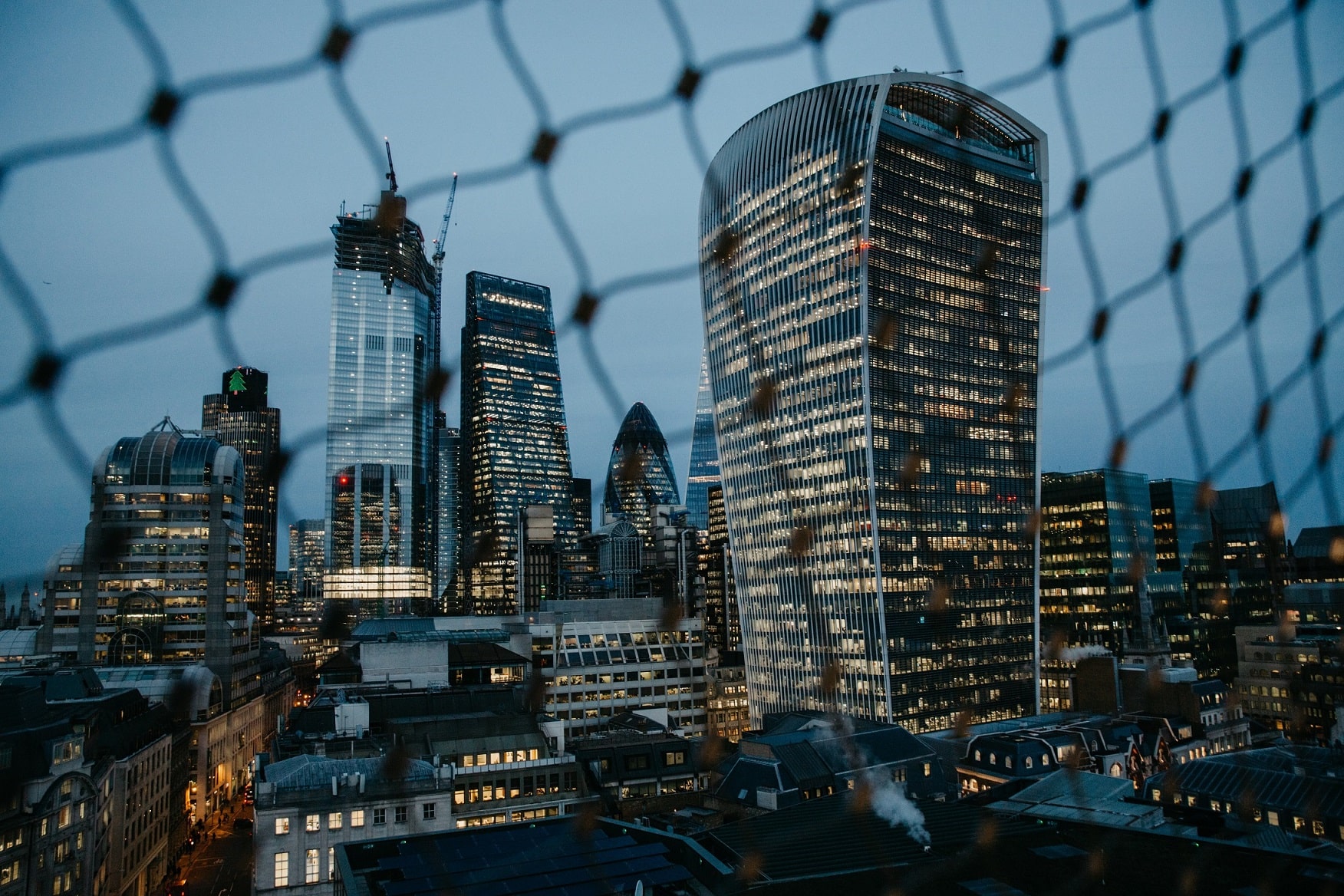
Commercial building owners must take note of a new change to energy performance certificates for their buildings. Minimum energy efficiency standards (MEES) are now in operation, meaning that non-domestic leases will be permitted only for buildings rated ‘B’ or above on the EPC rating by 2030. For property owners, this means it’s time to upgrade your building’s energy performance rating…
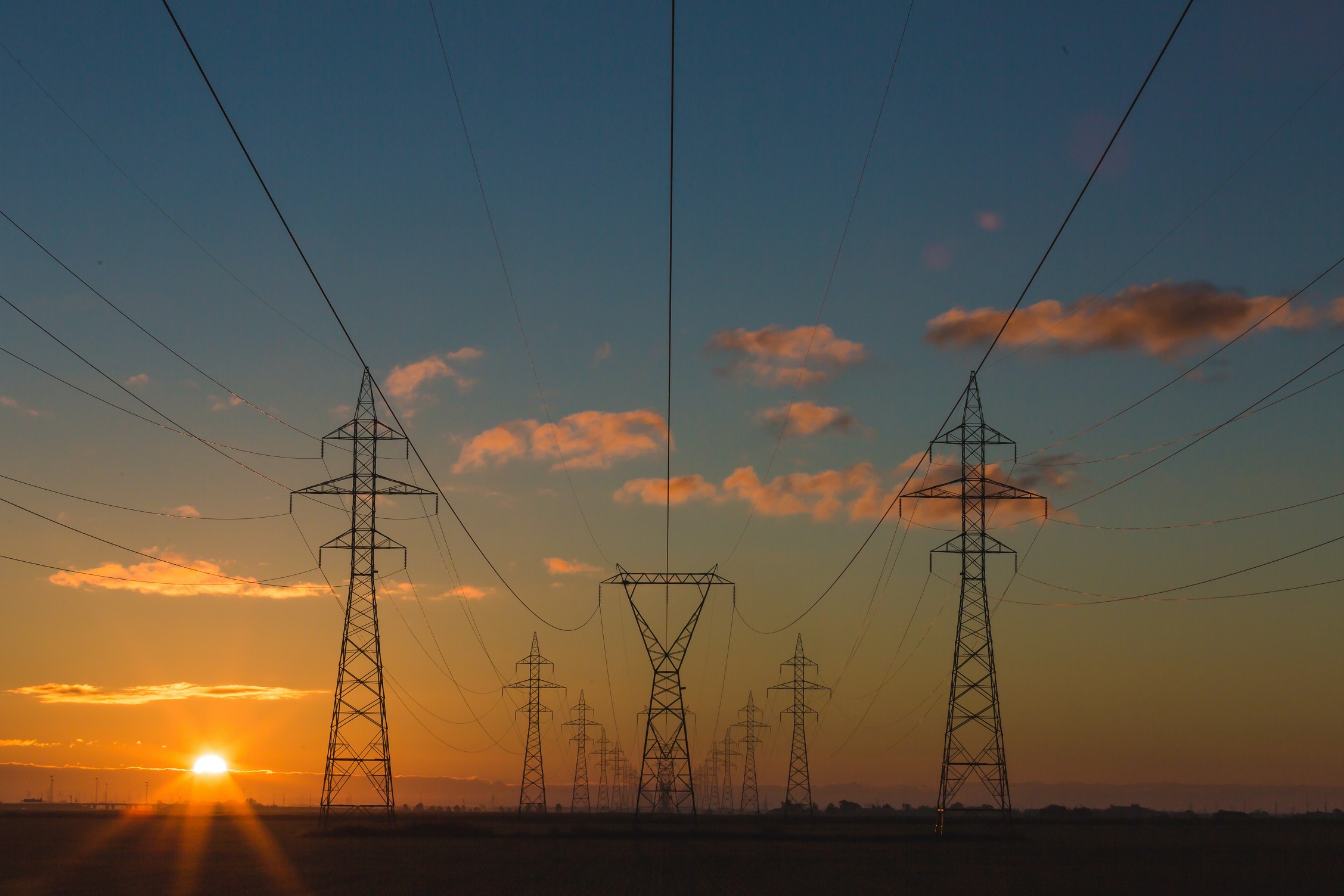
You may not know it, but there’s more to the cost of energy than what your business actually consumes. The transportation of electricity from its point of origin through the grid to your business also carries a cost. These are known as Distribution Use of System (DUoS) charges and Transmission Network Use of System (TNUoS) charges. Together, these network charges…

In a world that is rapidly gearing up towards a reduction in carbon emissions, all businesses need to consider their energy efficiency. SMEs may think energy isn’t something they need to concern themselves with – but cost savings can be significant. As a business, you should demonstrate efforts to lower your emissions, while government legislation further cements the global intention…

The UK government is one of the few countries to have enshrined its 2050 net-zero emissions targets into law. As part of these measures, public sector and private businesses face new pressures to reduce their CO2 emissions. What the law says The Climate Change Act of 2008 meant the UK became obligated to reduce 80% of emissions relative to 1990…